The Democratic Alliance (DA) in the Greater Tzaneen Local Municipality (GTM) will demand an increased, dedicated and protected road maintenance allocation in the 2026/27 municipal budget, as the ANC-led Municipality continues to preside over the collapse of Tzaneen’s road infrastructure after years of neglect and poor planning.
Roads are a core municipal responsibility, and their maintenance is non-negotiable. Yet under the ANC, this has been systematically sidelined, with the Municipality prioritising politically visible projects while critical infrastructure deteriorates. The situation is made worse by a shortage of manpower and a lack of basic plant and equipment, leaving the Municipality unable to carry out even basic repairs.
During the recent IDP and draft budget public participation process, residents made it clear: Tzaneen’s roads are collapsing, and the Municipality has no credible plan to fix them.
The Municipality’s own Strategic Session in December 2025 exposed the scale of the failure — at the current pace, it will take over 100 years to reduce the roads backlog by just 50%. This confirms that the current budget and planning framework are fundamentally broken. At that session, the DA proposed a ring-fenced budget for basic service delivery — a proposal the ANC has failed to implement.
An estimated 90% of roads in Tzaneen are affected by potholes and structural deterioration. Many residential roads are no longer fully usable. Entire lanes have effectively collapsed in some areas, damaging vehicles and forcing residents to reroute daily.
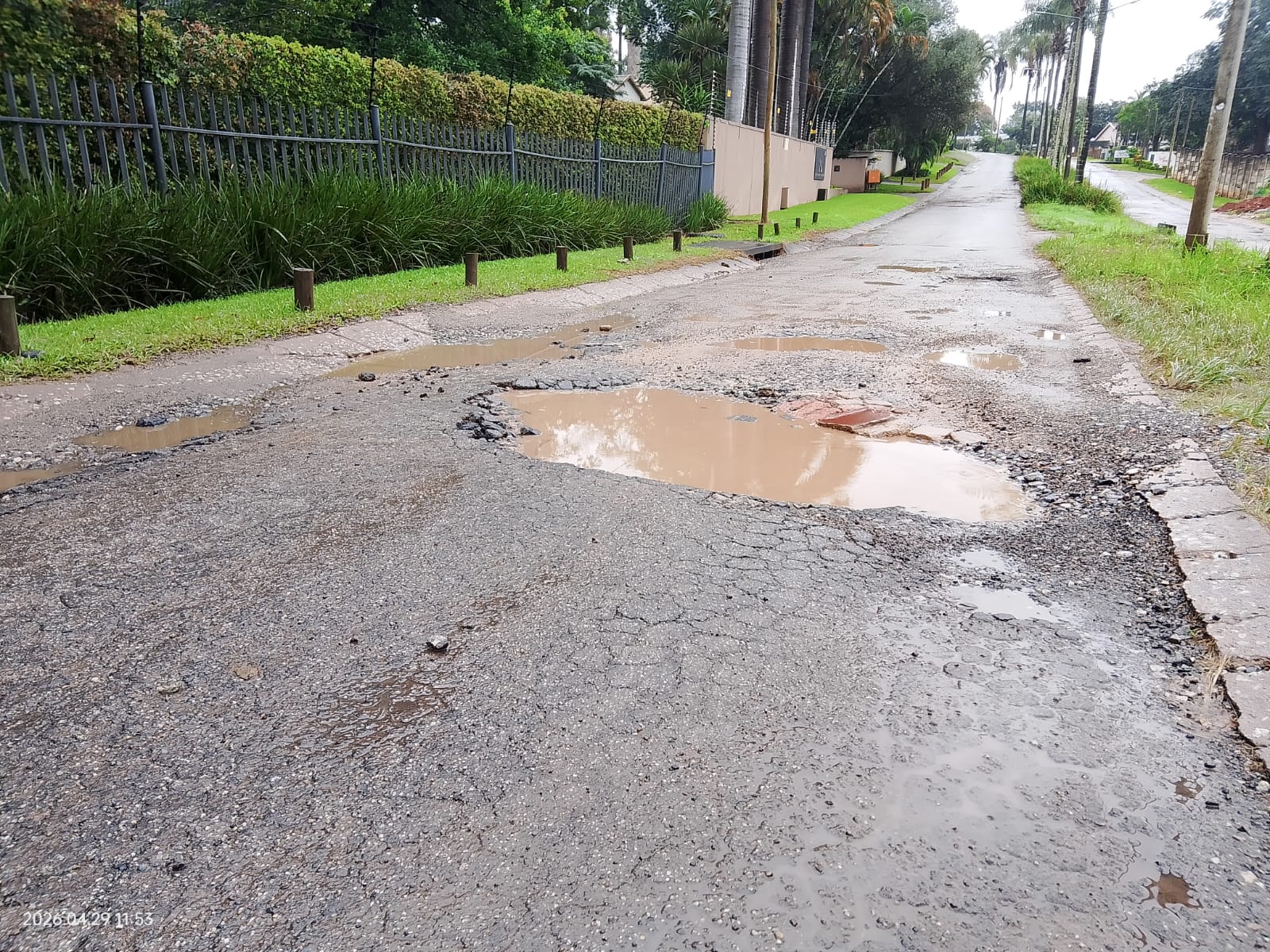
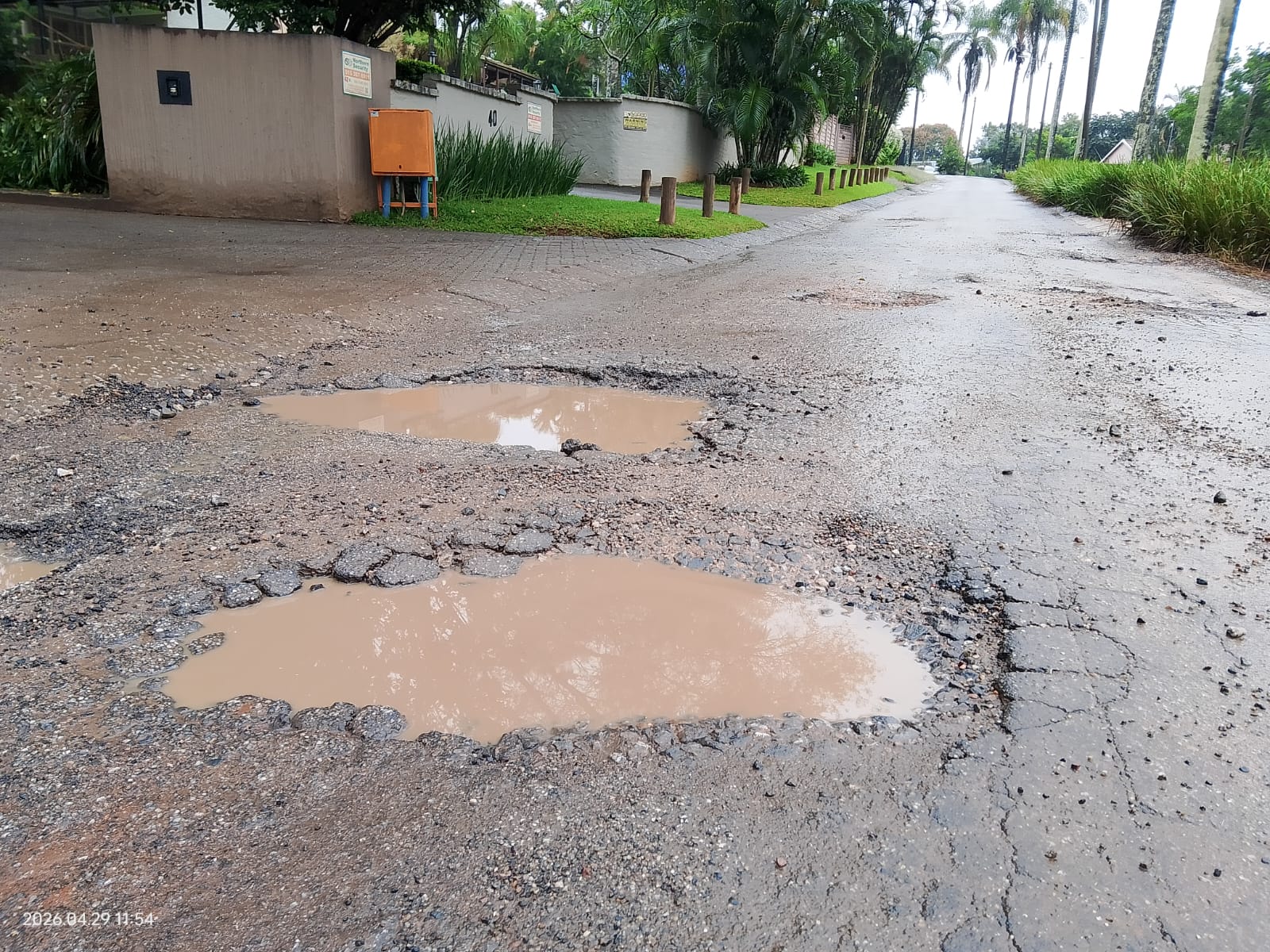
Yet the ANC-led Municipality continues to focus on limited maintenance in the CBD, effectively abandoning residential communities.
The draft budget confirms the problem:
- Maintenance is underfunded;
- Spending is skewed toward politically visible functions; and
- Essential infrastructure is being wilfully allowed to collapse.
Compounding this crisis is that MIG funding is directed toward rural projects, at the expense of the municipality’s urban core.
Residents have also raised concerns about poor contractor performance, substandard repairs, and weak quality control — clear signs of a Municipality that has lost control of both planning and execution.
The DA has consistently called for a “ring-fenced” road maintenance budget to protect critical infrastructure from neglect. The ANC’s refusal to implement this basic financial discipline is a direct contributor to the current collapse.
A Municipality that ignores its own data and strategic analysis and neglects its infrastructure is not planning for recovery — it is budgeting for continued decline. It shows a total disconnect with one of its core responsibilities and what should be a priority.
In the upcoming elections, residents will have a clear choice: continue under ANC neglect, or choose DA governance that delivers.