– Nearly R1 billion in taxpayer funding has been poured into GNT since 2016/17, yet the entity remains financially distressed and at risk of collapse.
– CIPC has given GNT until 31 August 2026 to present a convincing plan, failing which it could face a directive to cease operations or be placed under business rescue.
– The DA cannot support another R198.8 million bailout, nor can it support the current section 189 retrenchment consultation process, unless both form part of an open, transparent and independently verified turnaround plan.
The Democratic Alliance in Limpopo cannot support another blank-cheque bailout of Great North Transport (GNT) on top of the almost R1 billion already provided over the past decade, unless the R198.8 million now sought and the recently initiated section 189 retrenchment consultation process form part of a credible, open and transparent turnaround plan that is independently verified, fully scrutinised and capable of placing GNT on a sustainable footing.
This comes as the Companies and Intellectual Property Commission (CIPC) has questioned why GNT is trading under circumstances prohibited by the Companies Act and given GNT until 31 August 2026 to present a convincing plan, failing which, according to GNT, it could face a directive to cease operations or be placed under business rescue. GNT itself describes the CIPC intervention as its biggest immediate threat.
Yet LEDA and GNT told the Limpopo Standing Committee on Public Accounts (SCOPA) that the turnaround is progressing and asked the Committee to support further funding to save the entity and place it on what it describes as permanent financial sustainability.
That claim must now be tested against the facts.
The shocking state of two of GNT’s depots (Phalaborwa and Namakgale) as seen during recent SCOPA oversight visits are depicted here and here.
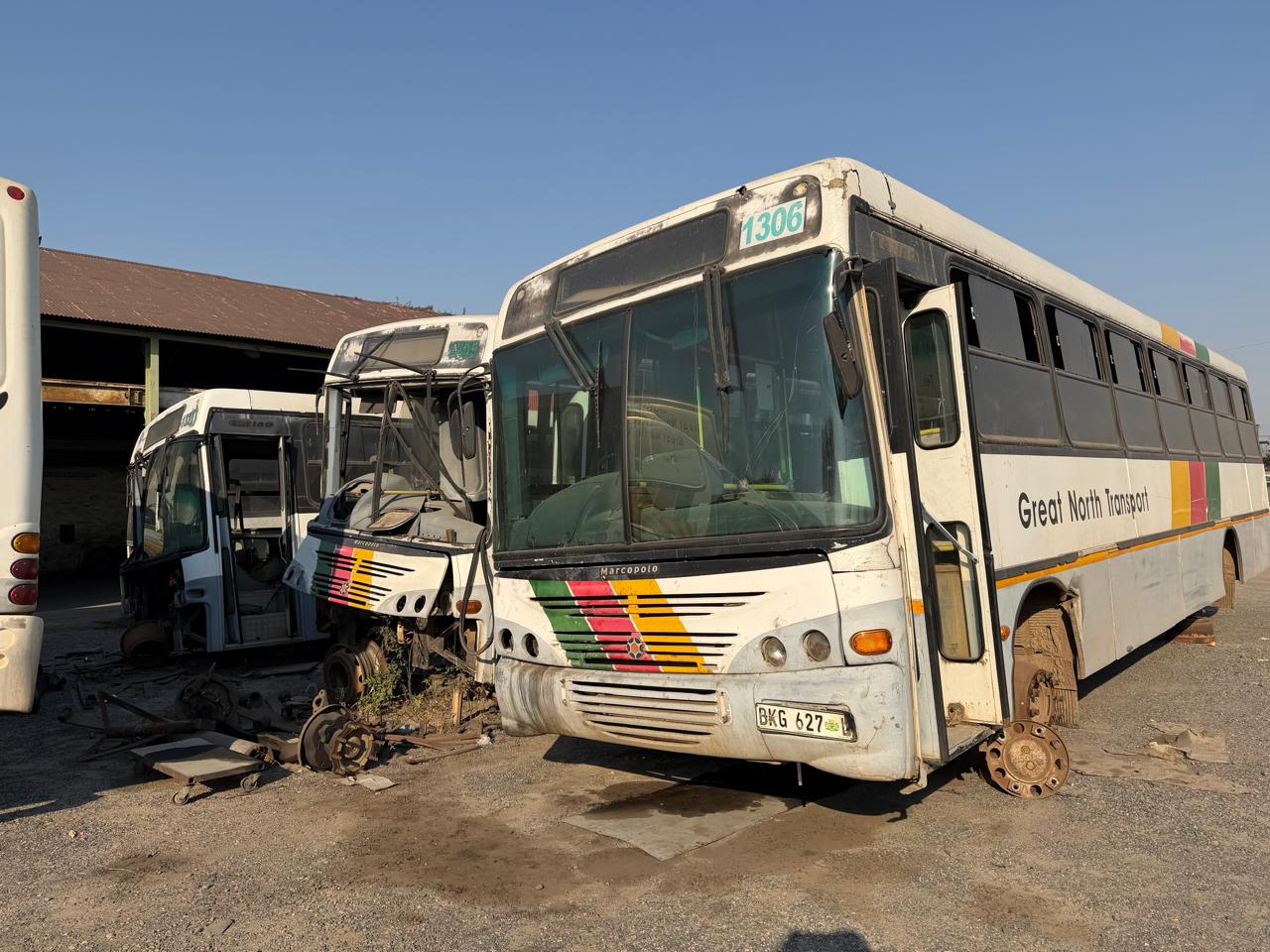
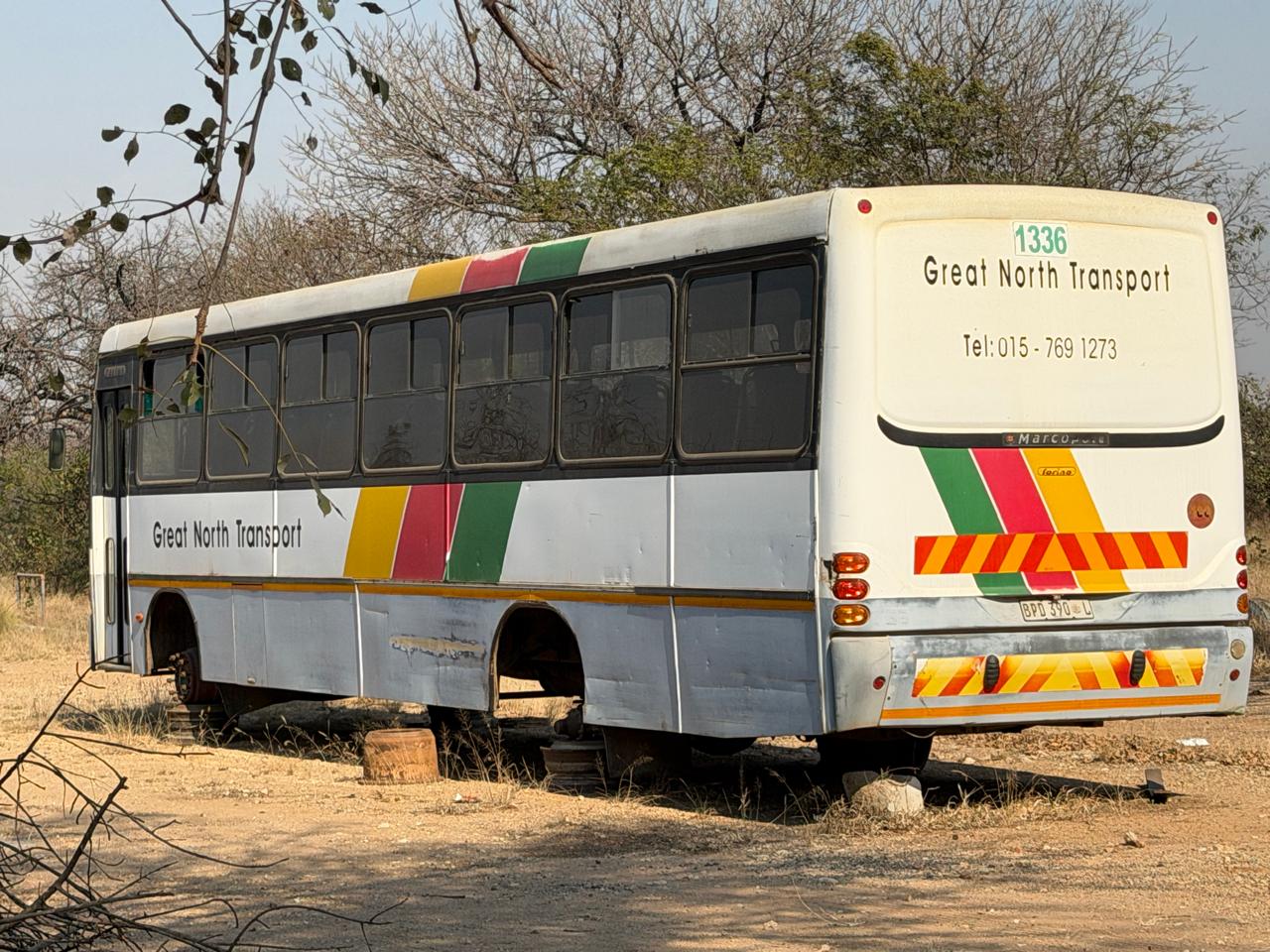
Almost R1 billion has already been allocated by the ANC-led provincial government to GNT since 2016/17 for buses, repairs and maintenance, employee costs, severance packages, statutory obligations and historical payables. GNT acknowledges that these funds did not solve the problem.
Its own assessment identifies technical deficiencies, a deficit in operational competence, weak internal controls, possible theft of spares and diesel, a negative working culture and difficulty recruiting critical skills among the causes of its failure.
These are not simply funding problems. They are governance, management and operational failures.
Despite this, GNT now says it requires another R198.848 million in bridge financing and warns that without it the company could collapse before reaching break-even.
The DA will therefore insist on absolute openness and transparency before another rand is committed.
GNT’s full financial and operational position must be placed before the Legislature, including its fleet and the condition of GNT-owned buses, existing bus leases and their value for money, revenue and fuel controls, creditor exposure, organisational structure, staffing requirements and the assumptions underpinning the R198.8 million request.
Any turnaround strategy must be properly costed, independently verified and subjected to full legislative scrutiny.
The R198.8 million request cannot be separated from GNT’s ongoing section 189 process. Before workers are identified as surplus, GNT must demonstrate what the sustainable entity of the future will look like and what fleet, depot structure, posts and skills it requires.
It would be indefensible for workers to bear the consequences of years of governance and management failure while taxpayers finance another rescue, only for weak controls, revenue leakages and questionable leasing arrangements to remain unresolved.
GNT provides an essential public transport service and its collapse would have serious consequences for commuters and employees. But protecting that service cannot become an excuse for repeatedly funding a failed operating model.
If Limpopo’s ANC-led government cannot demonstrate that the R198.8 million forms part of a properly costed, independently verified and sustainable turnaround, it must stop pretending that another bailout is a turnaround plan and place a sustainable alternative operating model before the Legislature.
It is the ANC’s failure to properly oversee GNT, its cadre-style approach to appointments at board and management level, and its failure to take timely and decisive corrective action that have brought the entity to this point. Rather than fixing the underlying governance and operational failures, the province has repeatedly papered over the cracks with taxpayer-funded bailouts.
As the DA we are adamant: no more blank cheques.
Saving GNT cannot mean endlessly saving the failed model.