– Limpopo’s illegal-mining economy is growing, spreading and repeatedly returning after raids and arrests, with more than 50 sites or nodes identified across all five districts over the past five years.
– At least 19 hotspot clusters have seen illegal-mining activity continue or return despite policing or other interventions, exposing a repeat-site problem sustained by organised criminal networks.
– The DA calls for a province-wide multi-sectoral plan to target and dismantle the full value chain of the illegal-mining economy — from pit to purchaser
The Democratic Alliance in Limpopo will write to Premier Ramathuba to commit to and set out a province-wide multi-sectoral plan to dismantle the illegal-mining economy from pit to purchaser, and deal with repeat hotspots once and for all. A preliminary DA review shows illegal mining spreading across the province over the past five years, with more than 50 sites or nodes identified across all five districts and at least 19 hotspot clusters where activity continued or returned despite policing and other state intervention.
See the DA’s preliminary illegal-mining hotspot map here.
Limpopo does not only have an illegal-mining problem. It has a repeat-site problem — and a governance failure.
Raids and arrests alone are not working.
In Atok, in the Sekhukhune District, the Bapedi Kingdom was recently forced to go to court over rampant illegal chrome mining and failing enforcement by the Department of Mineral and Petroleum Resources, obtaining an order interdicting unlawful mining and allowing it to rehabilitate the affected land.
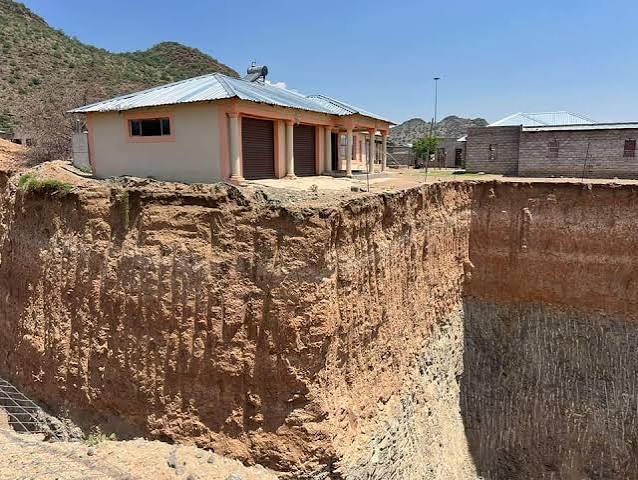
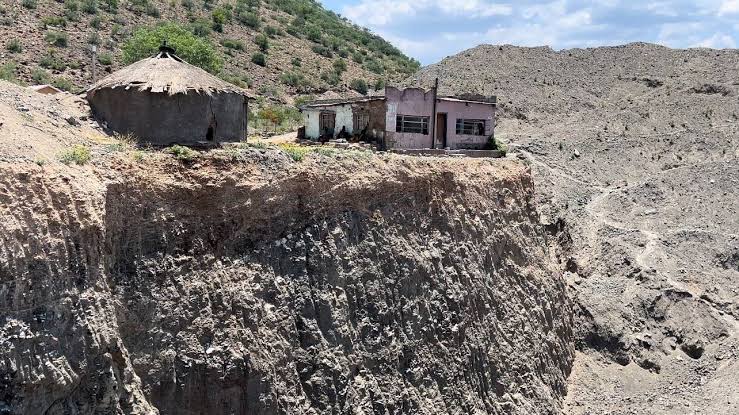
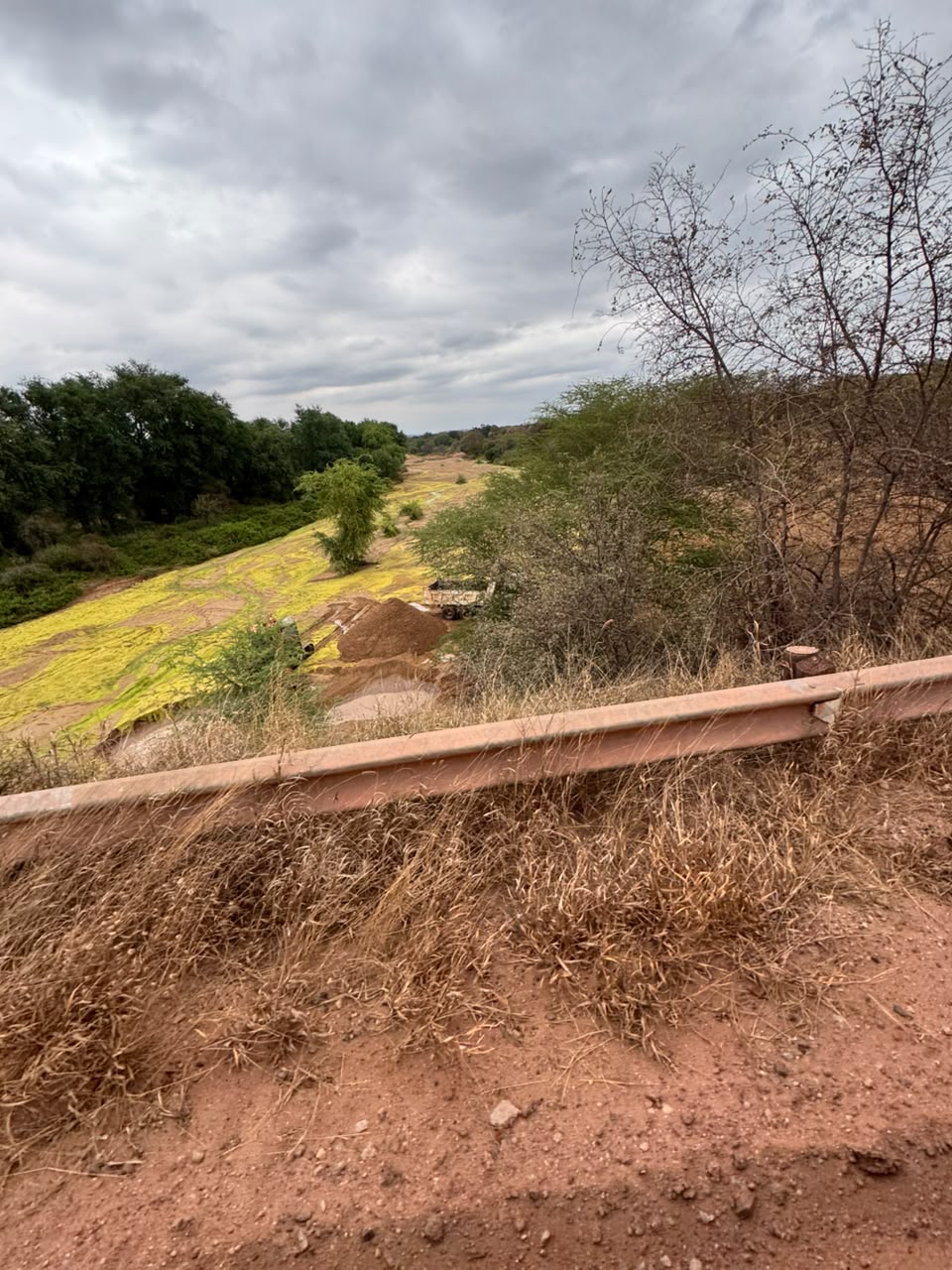
In the Sand River region of Vhembe, farmers continue to face brazen illegal sand mining, while an environmental authorisation for sand mining on Farm Vera is under appeal amid concerns that consultation processes were subverted and that the proliferation of sand mining is causing cumulative environmental damage.
See video here and photo here.
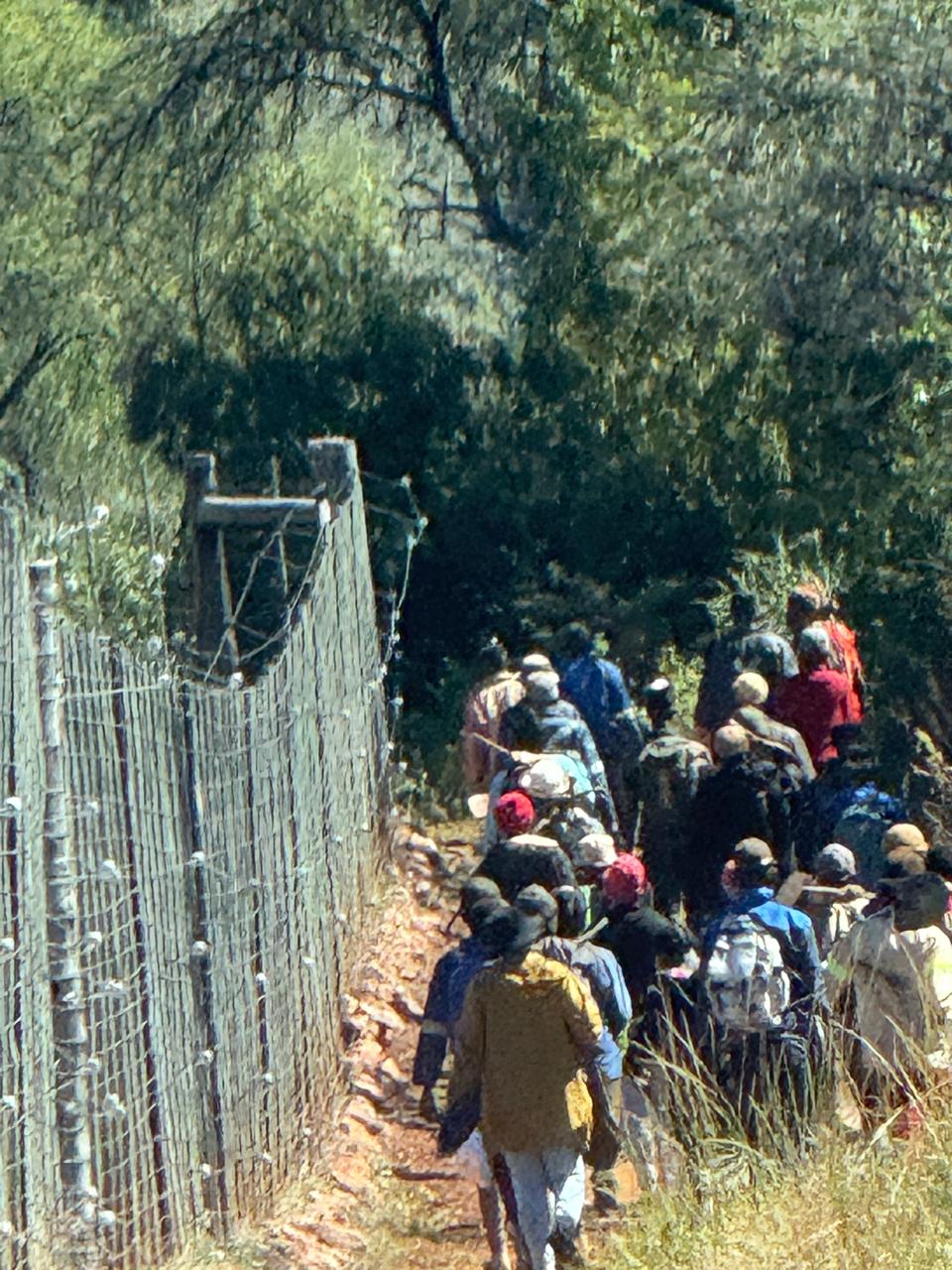
In the Eerstegoud/Ysterberg region of Capricorn, farmers have lost all faith in SAPS and other authorities to stop illicit gold mining and live under siege.
See video here and photo here.
These are not new or isolated concerns. The DA has repeatedly raised the alarm over illegal mining across Limpopo.
Illegal mining forms part of Limpopo’s burgeoning illicit economy — a parallel criminal economy that undercuts legitimate businesses, deprives the fiscus of revenue and enriches criminal syndicates at the expense of workers and communities.
The illicit economy flourishes where government institutions fail. Police raid sites, arrest miners and seize machinery and vehicles. Yet weeks or months later, mining is again reported at too many of the same hotspots.
Government keeps arresting zama-zamas at the bottom while leaving the illegal-mining business above them intact.
Sekhukhune is the organised chrome centre, with repeated activity at Atok, Ga-Phasha, Spitskop, Tweefontein and Diphale involving heavy machinery, trucks and chromite stockpiles.
Mopani and Capricorn have emerging organised illicit gold economies. At Mavalani, despite repeated operations in 2025, police again uncovered suspected minerals, processing equipment, vehicles and firearms in May 2026. Vhembe suffers widespread illegal sand mining and questionable approvals that irreparably damage its rivers and water resources.
These are not isolated zama-zama operations. They are criminal economies involving financiers, machinery owners, transporters, processors and buyers.
Illegal mining can no longer be treated principally as a policing operation. It must be treated as a criminal business to be dismantled from pit to purchaser.
That means following the money, targeting those who organise and profit from illegal mining, seizing criminal assets and ensuring that closed sites do not simply reopen.
What has been missing is the ANC’s political will to act.
The DA calls on Premier Ramathuba to set out a province-wide multi-sectoral plan to dismantle the illegal-mining economy from pit to purchaser and deal with repeat hotspots once and for all.
Limpopo cannot build a growing economy while criminal networks exploit its mineral wealth, threaten and terrorise communities and farmers, and steal from the fiscus.
The province must replace the illicit economy with a lawful economy that creates jobs, attracts investment and allows communities to benefit from development.