– DA welcomes the rescue of five protected baobab trees unlawfully removed from Limpopo and intercepted in Durban before their intended export.
–Serious questions remain about how the trees were uprooted and transported hundreds of kilometres without intervention by provincial environmental authorities.
–DA demands answers from LEDET on its failure to prevent the removal, action taken against those responsible, and measures to prevent similar incidents.
The Democratic Alliance (DA) in Limpopo welcomes the proposed rescue and relocation of five protected baobab trees from the Waterberg region to the Timbavati Nature Reserve, but questions how they could have been unlawfully removed without intervention. We will submit formal questions to MEC for Economic Development, Environment and Tourism (LEDET), Dr Tshitereke Matibe, about the department’s failure to prevent their removal and what action it has taken against those responsible.
We commend the conservationists, particularly Dr Sarah Venter and the Baobab Foundation, and all those involved in securing a second chance for these magnificent trees.
See Baobab trees in transit through Ohrigstad here and here – courtesy of Alida Jacobs
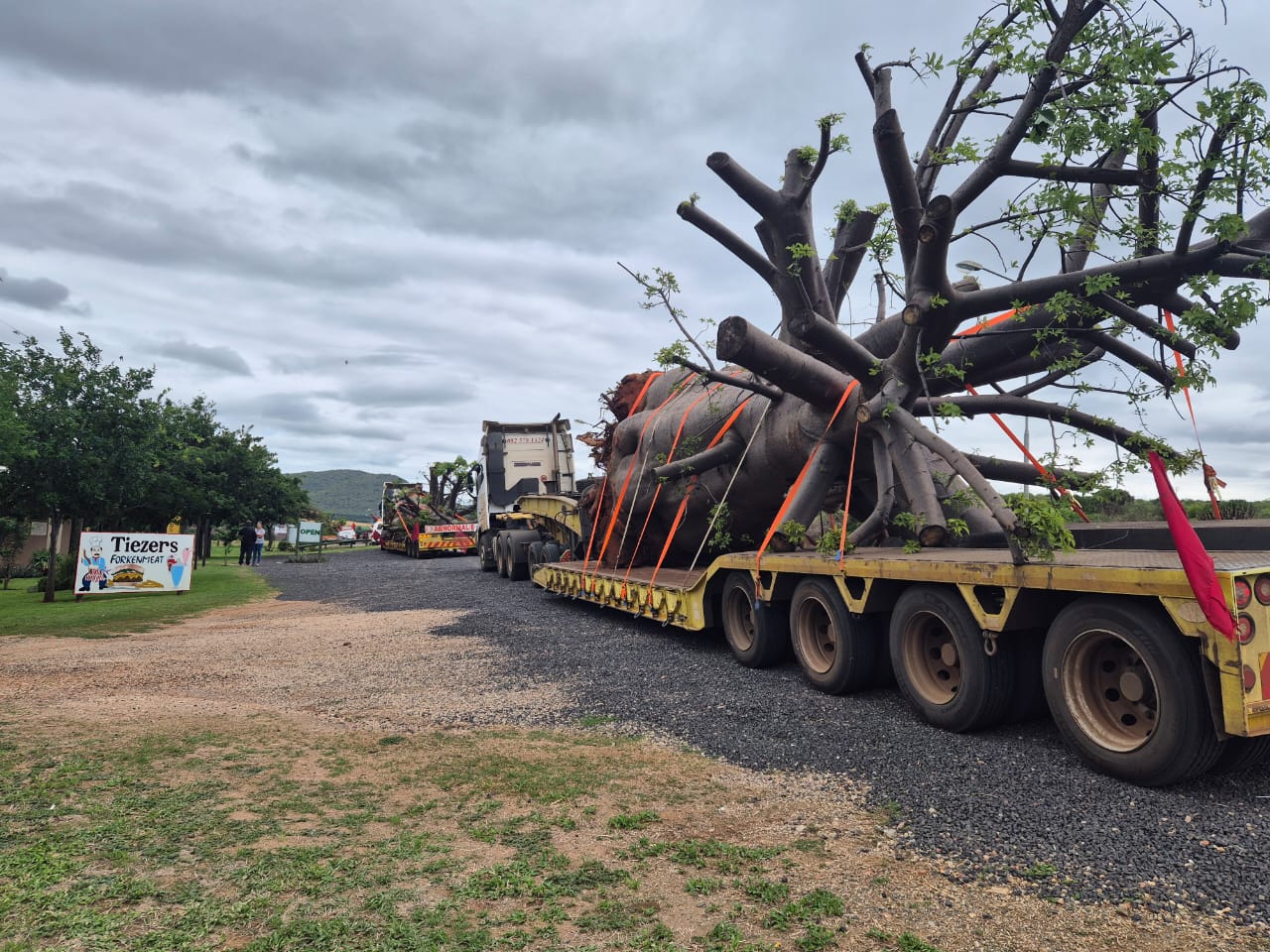
But how could five protected baobab trees be uprooted and transported hundreds of kilometres from Limpopo to Durban without the authorities intervening?
According to the national Department of Forestry, Fisheries and the Environment (DFFE), the trees were intercepted in Durban in July, ahead of their intended export to Georgia, without the required national licences or provincial permits under the Limpopo Environmental Management Act.
DFFE subsequently refused an application for retrospective authorisation, and criminal proceedings have reportedly been instituted.
While we welcome the national authorities’ intervention, serious questions remain about LEDET’s responsibility for enforcing provincial environmental legislation.
The DA will seek answers on:
- When LEDET first became aware of the removal and what action it subsequently took.
- How the trees could have been uprooted and transported without the required provincial permits.
- Whether LEDET conducted inspections, initiated investigations or instituted enforcement proceedings.
- Whether LEDET is cooperating with national authorities and what measures are being implemented to prevent similar incidents.
Baobabs are an irreplaceable part of Limpopo’s natural heritage. Their protection cannot depend on conservationists stepping in after the damage has already been done.
The rescue of these trees is welcome, but it must not obscure the apparent failure of preventative enforcement.
The people of Limpopo deserve to know whether those entrusted with protecting our natural heritage are fulfilling their responsibilities.
Conservation must begin with prevention, not rescue.