The Democratic Alliance in Limpopo will demand answers and accountability for the shockingly poor response of Limpopo’s disaster management structures to the recent torrential rains and flooding, which have triggered a rapidly unfolding, multi-faceted crisis across the Mopani and Vhembe Districts.
We have received numerous angry reports from communities and stakeholders pointing to an abject failure at every level of disaster management – provincial, district and local – including:
- A failure to recognise the potential impact of the severe weather system and to timeously alert, mobilise and ready all relevant structures;
- Little to no evidence that preventative, risk-reduction or mitigation measures had been implemented over preceding years to reduce the impact of this, or any other, disaster;
- Weak preparedness to initiate an effective response during the critical early emergency phase, particularly in protecting lives and addressing urgent humanitarian needs – apart from the sterling work of SAPS Search and Rescue, the SANDF Airforce, the farming sector and civil society;
- Long-degraded municipal service delivery systems with no resilience to withstand the weather event, resulting in widespread collapse;
- An inability by local and district municipalities to adequately – if at all – restore critical basic services such as water, sanitation, electricity and roads; and
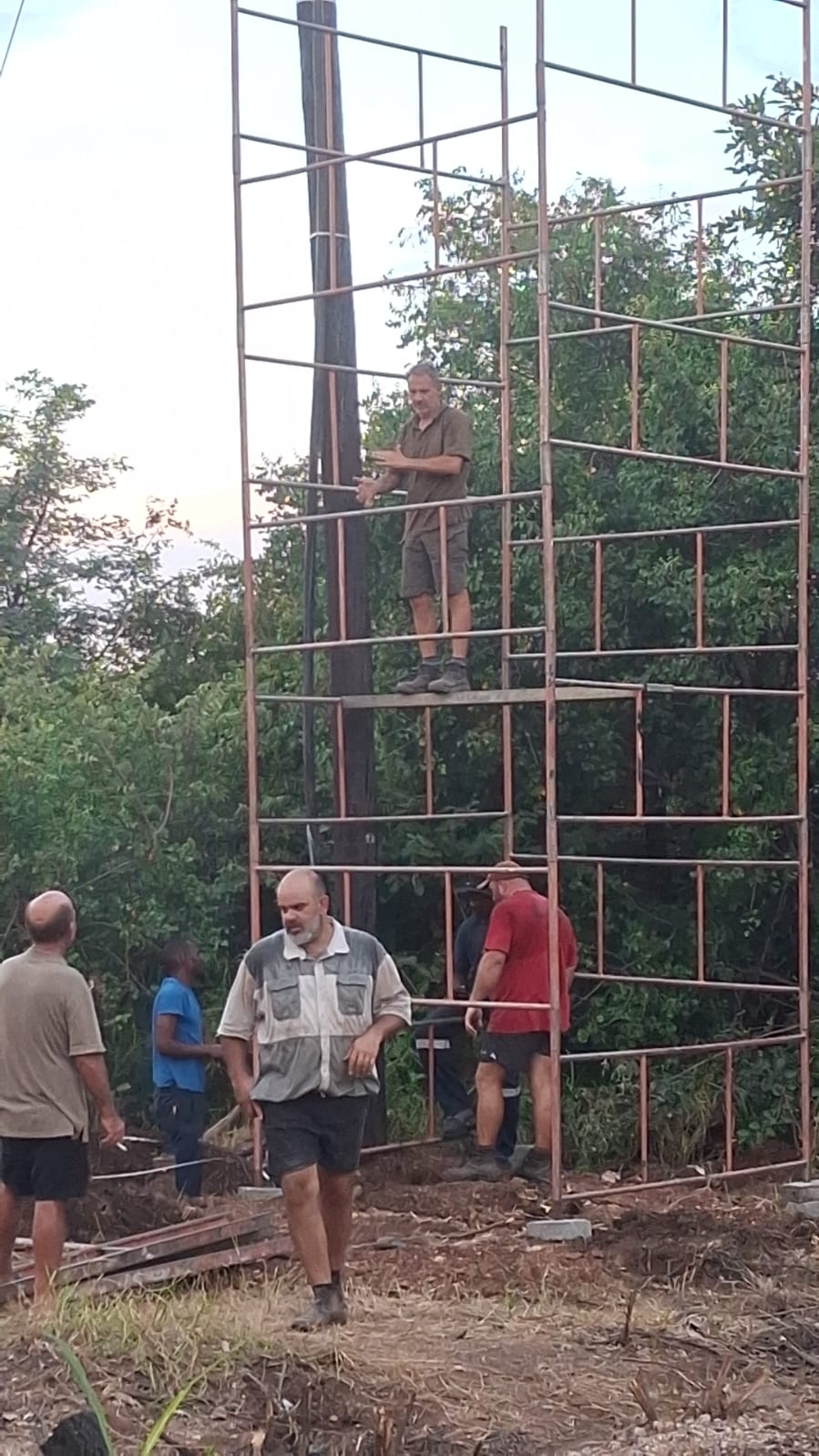
- Poor coordination with civil society, and in some instances an outright refusal to allow communities to carry out emergency stabilisation and repairs – amounting to nefarious gatekeeping rather than cooperation.
Under the ANC in Limpopo, there appears to be little appreciation that disaster management is a core, non-delegable responsibility of government at all levels. The response has been wholly inadequate, marked by a lack of urgency, compounded by years of ANC cadre deployment, institutional decay and gross mismanagement that have hollowed out government capacity – provincially and at local government level.
The consequences of this failure are now manifesting as a full-blown crisis in the aftermath of the natural disaster, particularly in Ba-Phalaborwa Municipality, where:
- Decades of neglected and poorly maintained municipal infrastructure, patched with temporary fixes, had no resistance left and collapsed under the flooding;
- Ba-Phalaborwa Local Municipality and Mopani District Municipality lack the capacity, skills and resources to restore services or repair infrastructure;
- Lepelle Northern Water, the bulk water utility, is struggling to recover and deliver sufficient water;
- Businesses, industry, and the tourism and accommodation sector are suffering prolonged water and electricity outages;
- Extension Five, a key industrial area, has now endured nearly a month without electricity;
- PMC, the largest mine in the local mining complex, has declared force majeure;
- Beyond damage to infrastructure in the Kruger National Park, private lodges and game reserves have lost critical internal infrastructure, with some forced to cease operations for months; and
- Jobs and livelihoods are being lost, with escalating social and economic risks.
See here
Communities are being left in the dark – literally and figuratively. While community stakeholders were invited to the first Ba-Phalaborwa Municipal Joint Operations Committee (JOC) meeting and raised serious concerns about the inadequacy, lack of urgency and absence of direction in the recovery plan presented, they have not been invited to any further meetings, nor have they received any feedback more than three weeks later.
As the Democratic Alliance, we will demand answers, accountability, consequence management and, above all, urgency from government at provincial, district and local level in response to the deepening crisis in Phalaborwa and across Limpopo.